Jonathan Samuel's Pilgrim Thoughts
A thoughtful reflection on the grand narrative of the Holy Scriptures
recent posts
- Was Christ Created? Rereading Colossians 1:15 Through John Chrysostom’s Eyes
- Communion with the God Who Is Light
- “From Guilt to Glory: The Transformative Power of Justification and Reconciliation in Romans 5:1–11”
- The Hope of Resurrection in the Major Prophets: A Biblical and Evangelical Reflection
- Embracing God’s Mission: Christian Acceptance and Forgiveness in the Book of Philemon
about
Category: Uncategorized
-

Etymology and Biblical Roots When we talk about the church, we are referring to something that belongs to Jesus Christ. The word church comes from the Greek word kyriakos (κυριακός), which means “belonging to the Lord.” Early on, this term referred to kyriakon oikos—“the Lord’s house” (Elwell 2001, 215). This tells us that the church…
-

In our Christian journey today, we encounter many struggles—trials, doubts, losses, and pressures that can feel heavy and lonely. For our spiritual growth and stability, we need strong faith, which acts like an anchor during tough times and a light of hope in darkness. Gennesaret, a small area noted in the Gospels (Matthew 14:34; Mark…
-

God’s Initiative in Reconciliation The Apostle Paul’s doctrine of reconciliation stands as one of the most profound theological truths found in the New Testament. While the Gospel narratives often focus on reconciliation as the restoration of relationships among people (e.g., Matt. 5:22–25), Paul elevates the conversation to the vertical dimension — emphasizing the restoration of…
-
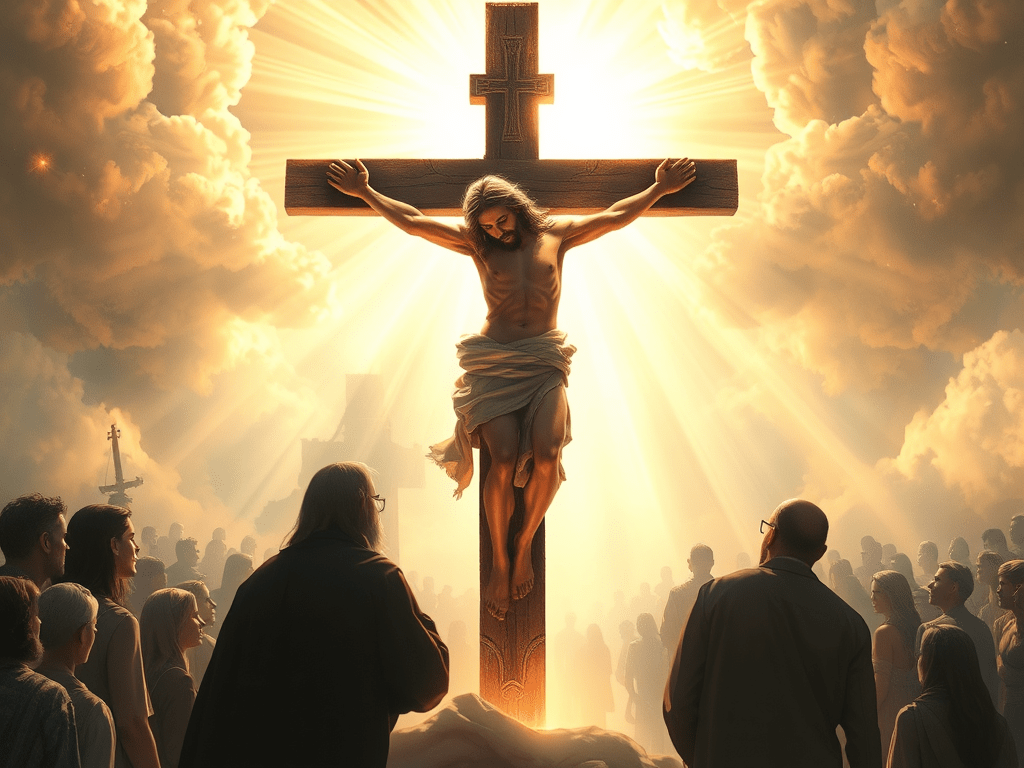
The Centrality of Reconciliation in the New Testament The doctrine of reconciliation stands as the heart of the New Testament, vital for grasping the wonderful gift of salvation offered to every believer. Reconciliation not only points to the healing of broken relationships among people, as we see in Matthew 5:24 and Luke 12:58, but it…
-
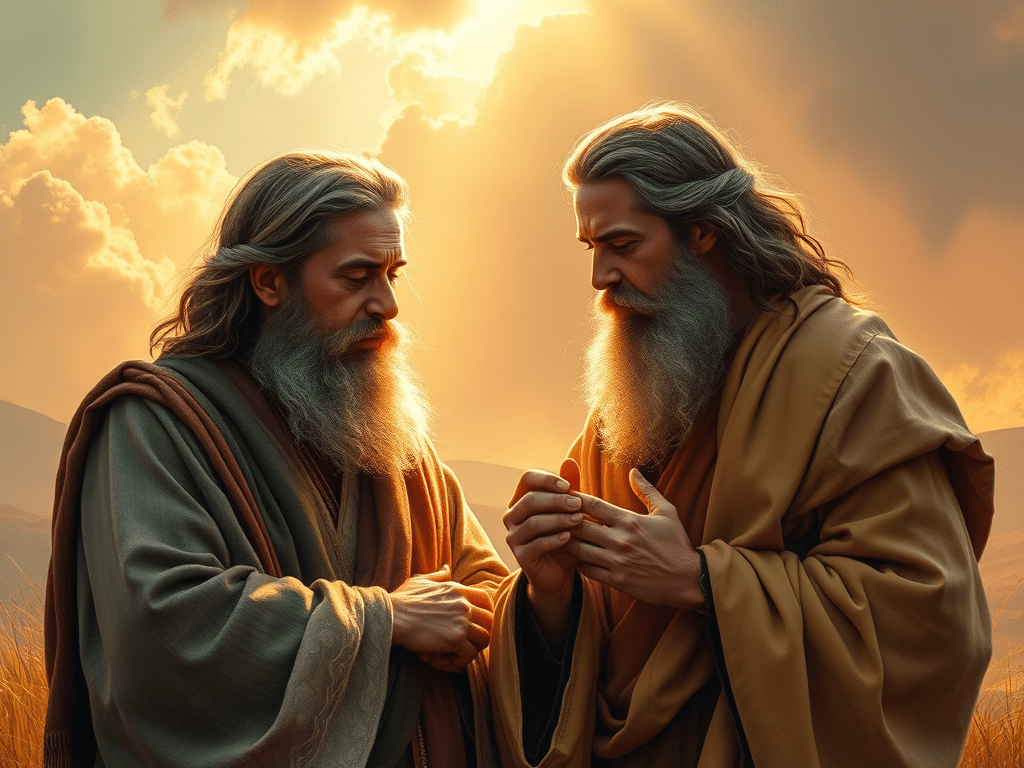
The Divine Pursuit of Reconciliation Throughout the Old Testament, the heartbeat of God’s mission is the reconciliation of His wayward people back to Himself. Despite Israel’s recurring rebellion, idolatry, and covenantal unfaithfulness, God never ceased to reach out through His chosen servants—calling them from judgment to restoration, from brokenness to covenantal intimacy. The ministries of…
-

God’s Relentless Desire to Reconcile Throughout the annals of the Old Testament, the resounding heartbeat of God yearns for reconciliation—a profound restoration of the fractured bond between Himself and His chosen people. Though Israel often strayed into the shadows of idolatry and injustice, the Lord in His faithfulness did raise up prophets, such as Isaiah,…
-

The close and profound bond between David and Jonathan, as depicted in 1 Samuel 18:1–3 and in David’s heartfelt lament in 2 Samuel 1:26, has sometimes been misinterpreted as indicating a homosexual relationship. Some modern interpreters claim that these verses suggest a romantic or erotic love between them. However, a careful examination of the Scripture…
-
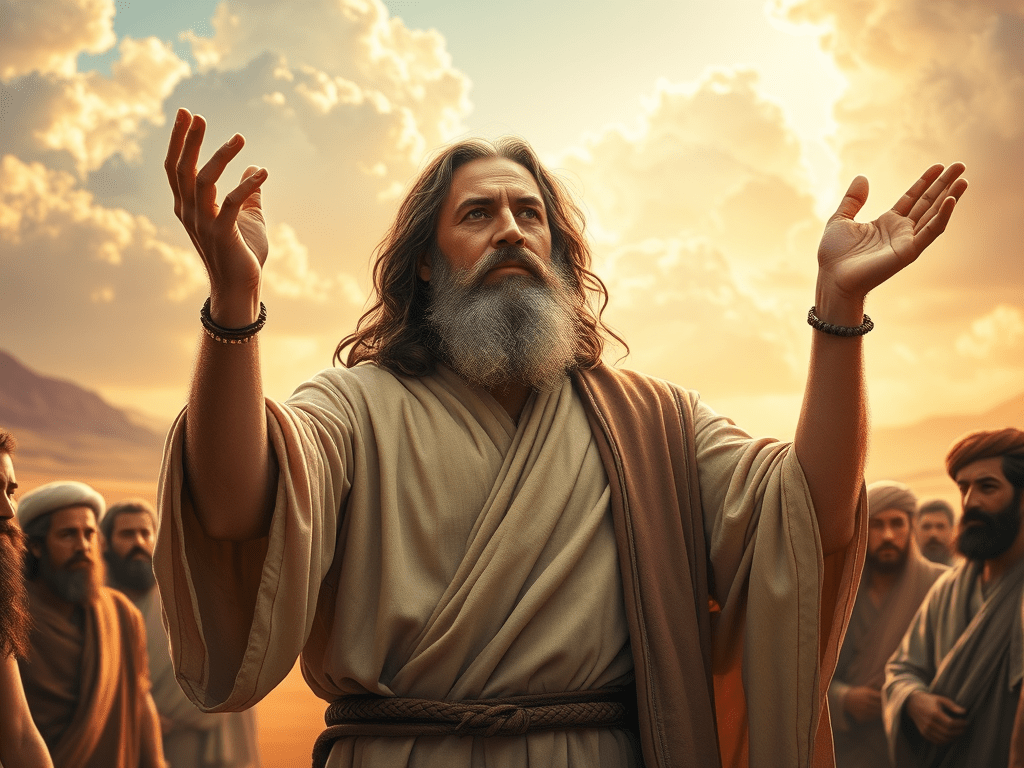
Moses the Mediator: Standing in the Gap for Reconciliation “So He said He would destroy them—had not Moses His chosen one stood in the breach before Him, to turn away His wrath from destroying them.”— Psalm 106:23 In the grand narrative of redemption, Moses stands as one of the most striking examples of a mediator—a…
 Jonathan Samuel's Pilgrim Thoughts