
Etymology and Biblical Roots
When we talk about the church, we are referring to something that belongs to Jesus Christ. The word church comes from the Greek word kyriakos (κυριακός), which means “belonging to the Lord.” Early on, this term referred to kyriakon oikos—“the Lord’s house” (Elwell 2001, 215). This tells us that the church is not just a human idea but is owned by Christ. It is His because He created it and because He gave His life for it.
In the New Testament, the main word used is ekklesia—meaning “assembly” or “gathering” (Tenney 2011, 284). Often, we think of the church as a building, but the Bible shows us that the church is really about people who come together because God calls them. The Septuagint, a Greek translation of the Old Testament, uses ekklesia to mean the Hebrew word qahal, which means “congregation.” This connects God’s people throughout history. When Luke talks about Israel as the “ekklesia in the wilderness” (Acts 7:38), he reminds us that God has always gathered a people for Himself.
For us today, every time believers meet—whether in a grand cathedral, a simple hut, or a home group—we are part of that long history of God’s people who are saved by grace. We belong to something larger than ourselves: God’s assembly, brought together by His grace. Each gathering reflects the unity of believers across generations, cultures, and places.
Because the church belongs to the Lord, we should start asking not “What do I like about the church?” but “What does the Lord want from His church?” This shifts our focus from what we want to what God desires. The church is not ours to design based on our preferences; it is Christ’s to guide and honor through our faith and obedience. We need to seek God’s heart for His church, asking how we can serve Him better. This means learning from the Bible, praying, and respecting one another as we strive to reflect His love and truth in our communities. By doing this, we live out our calling as His followers, showing the world His kindness and grace.
What Is the Church? Definitions and Distinctions
Theologians have offered many definitions of the church, but at its heart, it is more than just an organization. Millard Erickson reminds us, “We must be aware that the church is far more than a social institution and therefore must be defined in terms beyond the merely sociological” (Erickson 2013, 999). This important point encourages us to see that the church is not merely made up of meetings, programs, or buildings. At its core, the church is the living body of Christ, filled with the Holy Spirit, coming together to bring glory to God. The true nature of the church goes beyond just gathering or rituals; it is a lively community of believers who worship, grow in faith, and share God’s love with others. The church is meant to be a light of hope and a safe haven for those who are hurting, where everyone can find belonging and purpose, and where the life-changing message of the gospel is shared with joy. In this way, the church is not just a place we meet, but a vibrant group of people working together to show Christ’s love and truth in everything we do.
Invisible and Visible Church
Wayne Grudem defines the church as “the community of all true believers for all time” (Grudem 2020, 743). This definition helps us understand the invisible church—the group of all those who truly belong to Christ, no matter when or where they live. This includes important figures like Abraham, who trusted in God, the apostles who followed Jesus, and believers today from all around the world. The invisible church reminds us that faith in Christ connects all believers across history and cultures.
On the other hand, we have the visible church—the local gatherings where people come together to praise God, listen to His Word, and participate in sacraments like baptism and communion. Louis Berkhof describes the visible church as “the community of those who are baptized and profess the true faith… together with their children” (Berkhof 2017, 1025). This aspect of the church is important because it allows us to express our faith together as a community. Different congregations and denominations reflect the body of Christ in various ways.
Berkhof also tells us that the invisible church is “the company of the elect who are called by the Spirit of God… the community of the faithful” (Berkhof 2017, 1025). This means that while local churches might grow and shrink over time, the invisible church remains strong and united in Christ. Both the invisible and visible churches are essential: the invisible church shows us that God sees and knows His people perfectly, while the visible church demonstrates that our faith should be lived out in community.
Geerhardus Vos explains that the visible church is the embodiment of the kingdom of God (Vos 2012, 1001). Every local church, no matter how small, acts as a witness that Jesus is King. This gives hope to believers, reminding us that we are part of something much bigger than ourselves. Each church has a purpose in God’s plan, and even the smallest congregation can make a difference in its community.
Understanding the difference between the invisible and visible church brings us comfort. If your local church feels weak, small, or struggling, remember that Christ’s invisible church is made up of believers all over the world, and it lasts for eternity. This perspective can provide encouragement during tough times and remind us of the greater mission we are called to. If your church seems strong and vibrant, remember that God looks at our hearts. True belonging in Christ’s body is based on faith, not just on outward appearances.
In conclusion, knowing the roles of the invisible and visible church helps us in our faith journey. It encourages us to value both our local church community and the larger family of God that connects all believers. By embracing both aspects, we can live out our faith genuinely while being assured that we are part of God’s everlasting kingdom.
Local and Universal Dimensions
The New Testament clearly distinguishes between the local church and the universal church. Understanding this difference is essential for every believer, as it enriches our faith and enhances our perspective on fellowship with others in the body of Christ.
The local church refers to a tangible and specific community of believers, often characterized by their shared experiences and mutual support. It is frequently described in Scripture as “the church in the house,” as seen in verses like Romans 16:5, 1 Corinthians 16:19, Colossians 4:15, and Philemon 2. These references highlight how early Christians gathered in homes to share meals, study Scripture, and pray together, creating a nurturing environment for spiritual growth. Examples such as the church in Antioch (Acts 13:1) and the church in Thessalonica (1 Thessalonians 1:1) further illustrate the concept of local congregations serving as vital hubs for worship and community engagement. As theologian Vos points out, it is a gathering of believers who meet in a specific place or city (Vos 2012, 1002). In these local settings, believers forge deep relationships, offer support during times of need, and hold each other accountable in their faith journeys, embodying the essence of Christian fellowship.
On the other hand, the universal church transcends geographical boundaries and cultural differences, encapsulating the collective body of all believers across time and space. It represents the one body of Christ that connects believers from all nations and throughout all ages. The Apostle Paul reminds us in Ephesians 1:22–23 that God has placed everything under Christ’s authority and made Him the head of the church, which is His body. This universal church is made up of all individuals who have put their faith in Jesus Christ, regardless of their background, nationality, or ethnicity. Norman Geisler rightly notes that “the universal church, Christ’s spiritual body, is ethnically and socially neutral… composed of all who belong to Jesus Christ, for in Him all are one” (Geisler 2011, 1454). This emphasizes that our identity in Christ supersedes any cultural or societal divisions, reminding us of the inclusive nature of God’s love.
Each Sunday, when you come together with your local congregation for worship, it is a moment to reflect on your part in a much larger family—the universal church. As you join in singing praises, whether in English, Tamil, Telugu, or Swahili, you are uniting with believers around the world. This experience of coming together in worship not only strengthens local bonds but also fosters a sense of connection with the global church. In the end, we will all stand before God in heaven, where the redeemed from every tribe and language will sing together one resounding song: “Worthy is the Lamb who was slain” (Revelation 5:12).
This beautiful picture of unity in diversity reflects the heart of God for His people, demonstrating that we are all connected as one body in Christ. It calls for a celebration of the myriad gifts and expressions of worship found within the universal church, encouraging believers to appreciate and embrace the differences that make the body of Christ rich and vibrant. In essence, recognizing both the local and universal aspects of the church deepens our understanding of God’s plan for humanity and inspires us to live out our faith with a spirit of love and cooperation, both within our communities and across the globe.
Nature, Role, and Purpose
The Nature of the Church
The church is not a passive institution; it is a vibrant, living body filled with the presence of Christ, constantly growing and deepening in faith. Veli-Matti Kärkkäinen beautifully reminds us that “the church serves as the sign of the coming reign of God. The church in itself is not to be equated with God’s rule” (Kärkkäinen 2021, 13). This profound insight invites us to ponder the church’s vital role in our lives and the broader society. Essentially, the church functions as a guiding signpost. While it does not represent the kingdom of God in its entirety, it points us toward that glorious reality, shining as a beacon of hope and love in a world that desperately seeks direction. Each act of kindness, every transformation of heart, and each moment of reconciliation within the church softly proclaims: “The kingdom is coming,” urging us to live out this message in our everyday lives. We have the wonderful calling as members of the church to actively engage in this divine story, sharing the light of Christ with others and nurturing a sense of community that embodies the values of God’s kingdom, which is both present now and still on the horizon. Let us inspire one another to reach for the divine essence of this approaching kingdom, encouraging our neighbors and friends to join us on this journey of faith.
The Roles of the Church
The church’s mission is twofold: to evangelize outwardly, sharing the love and message of Jesus Christ with everyone, and to edify inwardly, nurturing and strengthening its members in their faith. As Erickson notes, “if the church is to be faithful to its Lord… it must be engaged in bringing the gospel to all people.” This means actively reaching out to those who do not yet know God, inviting them to experience His grace and salvation. At the same time, “the major function of the church is the edification of believers” (Erickson 2013, 1022). This highlights the importance of teaching, encouraging, and building up one another in our walk with Christ. The church serves as both a lighthouse, guiding lost souls to safety in God’s love, and a greenhouse, providing a nurturing environment for believers to grow, find support, and flourish in their spiritual journeys. In fulfilling this mission, the church reflects the heart of Christ and the hope that He brings to the world.
The Purpose of the Church
At the core lies worship. Erickson rightly insists: “worship concentrates upon the Lord” (Erickson 2013, 1024). When the church gathers to lift high the name of Jesus, we are coming together not just to sing songs or listen to a message; we are aligning ourselves with God’s eternal purpose. Worship is our way of honoring and glorifying the Lord, acknowledging His greatness, love, and power. It reminds us of who God is and what He has done for us. In these moments of worship, our hearts are drawn closer to God, and we find strength and encouragement in His presence. All creation is created to glorify Him, and when we worship, we join in that purpose, celebrating the God who loves us dearly.
Worship is also where evangelism begins. When we gather in worship, we not only focus on God but also inspire one another to share His love with those outside our doors. Evangelism flows from worship because, when we are in the presence of God, we cannot help but talk about Him. Our hearts become full of His joy and truth, prompting us to tell others about the salvation we have found in Christ. Discipleship, too, deepens through worship. As we worship together, we learn more about God’s character and His ways, growing in our understanding of the scriptures and how they apply to our lives.
Michael Bird captures it well: “The church is the custodian of the gospel, who carries the gospel wherever they go. In fact, where there is the true and authentic gospel, proclaimed in Word and embodied in sacraments, one will find a true and authentic church” (Bird 2020, 833). This statement highlights the important role of the church in our communities. We are entrusted with the gospel, the good news of Jesus Christ, and it is our responsibility to share it. When the church encompasses the true message of the gospel, it reflects Christ’s love and hope, making a significant impact on the world around us. Our worship equips us to be those ambassadors, sharing the good news through both our words and actions.
If worship is the church’s primary purpose, then evangelism and mission are its natural overflow. The most missionary churches are those most captivated by the glory of God. This means that a church that genuinely worships and adores Christ is eager to reach out and share His love with others. A church that loves Christ deeply cannot keep Him to itself. It becomes a beacon of hope, drawing people in and showing them the beauty of a life surrendered to God.
In practical terms, this could look like inviting friends to services, participating in community outreach, or simply living out our faith in everyday conversations. When we are filled with God’s love and joy in worship, it spills over into our lives. Our enthusiasm for Christ becomes visible, encouraging others to explore their own faith journeys.
Worship not only enriches our lives but also fuels our desire to share Christ with others. It helps us build genuine relationships, where we can demonstrate God’s love in action. As we worship together, we grow as a community, supporting one another and uniting in our mission to share the gospel. Worship can inspire acts of kindness, service projects, and bring comfort to those in need, allowing us to embody Christ’s love in tangible ways.
When worship is at the center of church life, its effects ripple through our communities, impacting hearts and changing lives. As we glorify God together, we are more willing to step out in faith, showing others the light of Christ and inviting them to experience His grace. Our worship fuels our mission, creating a church that is alive, vibrant, and deeply engaged in the world around it. In this way, we fulfill our calling to love God and share His love with everyone we meet.
A Transformative Theological Vision
When we bring together the biblical and theological strands, a beautiful and complete picture of the church emerges, revealing its multifaceted nature and profound significance in the spiritual journey of believers. The church is not merely a human project or institution but rather the divine community that belongs entirely to Christ, reflecting His love, grace, and purpose for humanity. Four major themes help us to see the whole, illustrating how the church serves as a gateway to deeper faith, a source of fellowship among believers, a herald of the Gospel, and a beacon of hope in a troubled world. Each theme interconnects, fostering an understanding of the church as a living organism, filled with believers who support and encourage one another in their walk with God. This wonderful community exists to worship together, learn from God’s Word, and share the good news of salvation. It is a place where hope is found and lives are transformed, inviting people from all walks of life to come and experience the grace of Jesus Christ. Through the power of the Holy Spirit, the church members are called to use their unique gifts and talents, working together to fulfill the mission God has given them and shining His light into the world. In this way, the church not only grows in faith but also becomes a vital part of the mission to bring God’s kingdom to earth.
1. Origin and Ownership: The Church of Christ’s Blood
The church exists because of Christ’s redeeming work, which serves as the foundation of its very purpose and existence, reminding us that we are part of something much greater than ourselves. Paul tells the elders in Ephesus: “Be shepherds of the church of God, which he bought with his own blood” (Acts 20:28), emphasizing the profound sacrifice that underpins this sacred community. This means the church is not an optional society but the very people for whom Christ died; it’s a divine assembly called to reflect His love in a world that is often in need of hope and healing. We come together as a family to embody His teachings, support one another, and share the Gospel with all those we encounter. In this light, the church acts as a living testament to Christ’s grace and redemption, where members are encouraged to grow together in faith, strengthen one another in their spiritual journeys, and engage actively in service for those in need, thereby fulfilling the mission entrusted to them. Each believer is a vital part of this body, woven together in love and chosen to contribute uniquely to its growth and witness in the world, showing everyone the love of Christ through our actions and words. As we gather, pray, and worship together, we become a powerful force for good, shining the light of Christ in every corner of our communities and beyond.
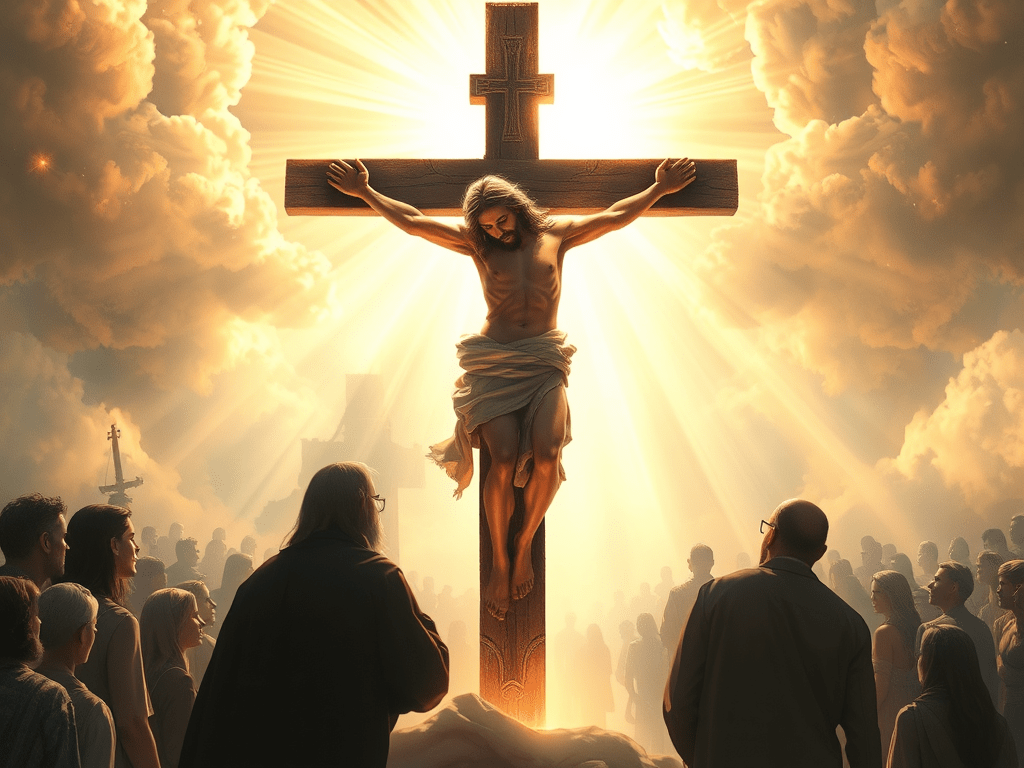
- The origin of the church is not based on human effort, cultural practices, or the creativity of religious leaders. Instead, it is firmly rooted in the profound significance of the saving death and resurrection of Jesus Christ. This foundational event demonstrates God’s incredible love for humanity. Through His sacrifice on the cross, Jesus atoned for our sins, allowing us to be reconciled with God. His resurrection from the dead not only conquered sin and death but also established the church as a community of believers who are called to spread the good news of salvation. The church exists to glorify God, serve one another, and share His message of hope and redemption with the world.
- The ownership of the church belongs to Christ alone. He is the Bridegroom; the church is His bride (Eph 5:25–27). This profound relationship signifies that Christ lovingly cares for His church, guiding and nurturing it as a husband does for his wife. Just as a bride and groom unite in love and commitment, so too does Christ share an intimate bond with His followers. This special connection invites us to trust Him fully, knowing that He has our best interests at heart. We are called to honor and serve Him, recognizing that our identity and purpose are rooted in this divine love. Through faith in Him, we find our place within His church, where we are cherished and equipped to fulfill His mission on Earth. In this sacred union, we discover not only our roles but also the depth of His sacrifice and the extent of His grace, empowering us to reflect His love to others in our daily lives. As we embrace this relationship, we are continually transformed, called to live out the teachings He imparted and to spread the gospel message with sincerity and passion. The church, as His body, becomes a beacon of hope and love in a world that desperately needs it, demonstrating the power of His transformative love through our actions and service.
If Christ purchased the church at such infinite cost, then our response must be filled with deep reverence, unconditional love, and unwavering loyalty. The sacrifice that Christ made for us, illustrated in John 3:16, reminds us that “For God so loved the world, that He gave His one and only Son.” This ultimate act of love signifies how precious the church is in the eyes of God. To treat the church carelessly is to treat lightly what Christ values most. As seen in Ephesians 5:25, where it states, “Husbands, love your wives, just as Christ loved the church and gave Himself up for her,” we understand that the church is more than a building; it is the body of believers that Christ cherishes deeply. Therefore, as we engage with our church community, let our actions reflect this profound gratitude, showing respect and commitment to what Christ has established. This means actively participating in fellowship, nurturing relationships, and supporting one another, as expressed in Hebrews 10:24-25, which urges us to “consider how we may spur one another on toward love and good deeds, and not giving up meeting together.” In doing so, we honor the sacrifice Christ made and acknowledge the beauty and significance of the church in our lives.
2. Identity: The People of God, Body of Christ, Temple of the Spirit
The church’s identity is expressed in three profound biblical images: first, the church is often described as the Body of Christ, emphasizing how all members work together in harmony, each contributing unique gifts to fulfill God’s purpose. Second, it is portrayed as the Bride of Christ, highlighting the intimate and loving relationship between Christ and the church, underscoring the call to holiness and devotion. Lastly, the church is seen as a Light to the World, reminding us of our mission to share the love and hope of Jesus, illuminating the path for others to follow. Together, these images paint a beautiful picture of what it means to belong to the church, a community rooted in faith, love, and service to God and one another.
- The People of God (1 Pet 2:9). Just as God chose the people of Israel in the Old Testament, He has now chosen the church to be His special family. This selection is not based on anything we have done or achieved—it’s purely a gift of grace from God. We are brought into a loving relationship with Him, forming a community of believers who support and uplift each other. As God’s covenant people, we have a purpose: to reflect His love and light to the world around us, showing others what it means to live in faith and obedience to Him. Just like Israel, we are called to worship Him, serve one another, and share the good news of Jesus Christ with everyone.
- The Body of Christ (1 Cor 12:27; Eph 1:22–23). Each believer is a living member of the Body of Christ, meaning that just as a human body has many parts that work together, so too do we, as followers of Christ, function as one unified entity. Christ is the Head of this Body, guiding and directing our actions and purposes. This unity does not mean we are all the same; rather, it affirms the richness of our diverse gifts and roles within the Church. Some may teach, others may serve, and still others may lead in worship, but all these different gifts are meant to work together for a common goal: to glorify God and spread His love to the world. Each member plays a crucial role, and through our differences, we reflect the multifaceted nature of God’s creation, showcasing His wisdom and love to those around us.
- The Temple of the Spirit (1 Cor 3:16–17). God’s Spirit indwells the church, transforming it into His sacred dwelling place here on earth. When we gather as believers, we collectively become the temple, where God’s presence resides among us. This means that every person who believes is not just an individual follower, but a vital part of a larger body, the Church, which is cherished by God. He resides in our hearts, guiding us, nurturing our faith, and empowering us to share His love. As we live in this truth, we must remember the importance of holiness and unity within the church, for the Spirit’s presence calls us to live in a way that honors God and reflects His glory to the world around us.
These metaphors remind us that church membership goes beyond casual attendance; it is about covenant belonging. Ephesians 2:19 expresses this beautifully, stating that we are fellow citizens with God’s people and members of His household. To be the church is to be God’s treasured possession, as emphasized in 1 Peter 2:9, where we are called a chosen people, a royal priesthood. We, as Christ’s living body, are united in love and purpose, reflecting Colossians 1:18, which teaches that Christ is the head of the body, the church. Additionally, as the Spirit’s sacred temple, we embody 1 Corinthians 3:16, which reminds us that we are God’s temple and His Spirit dwells in us, making our communal worship and fellowship a profound declaration of our faith and identity in Christ.
3. Scope: Local Expressions and Universal Reality
The church exists in two inseparable dimensions: the spiritual and the physical. The spiritual dimension represents the body of Christ, united in faith and purpose, as stated in 1 Corinthians 12:27, “Now you are the body of Christ, and each one of you is a part of it.” This unity is vital for spiritual growth and accountability. In contrast, the physical dimension encompasses the believers gathering together, as instructed in Hebrews 10:25, which emphasizes not neglecting to meet together. This gathering allows the church to support one another, share in worship, and spread the Gospel, illustrating the love of Christ in action, as laid out in Matthew 28:19-20. These two dimensions work hand in hand, as a vibrant church thrives both in its spiritual life and its communal expression.
- Local Church. Wherever believers gather—in houses, cities, or villages—they form a visible expression of the body of Christ (1 Corinthians 12:27). These assemblies, though imperfect and filled with diverse individuals, play a crucial role in the Christian faith. They are places of worship (Hebrews 10:25), fellowship (Acts 2:42), and spiritual growth (Ephesians 4:15), allowing members to support one another in their journey of faith (Galatians 6:2).
- Universal Church. Beyond time and geography, all true believers are united as one. Christ is the Head, and His body spans centuries and nations. This connection is beautifully illustrated in Ephesians 4:4-6, which reminds us that there is “one body and one Spirit, just as you were called to the one hope that belongs to your call; one Lord, one faith, one baptism; one God and Father of all, who is over all and through all and in all.” This passage emphasizes the unity of believers under Christ’s lordship. Furthermore, in Colossians 1:18, we read, “And He is the head of the body, the church. He is the beginning, the firstborn from the dead, that in everything he might be preeminent.” This reinforces the idea that Christ’s leadership binds us together, regardless of our diverse backgrounds. As a global community of faith, we are called to support one another, as highlighted in Hebrews 10:24-25, which encourages us to “consider how to stir up one another to love and good works, not neglecting to meet together, as is the habit of some, but encouraging one another.” The Universal Church is not just a concept; it is the living reality of Christ’s presence among His followers throughout history and across the world.
This scope calls us to a balanced vision. We must not reduce the church to our local fellowship alone, nor should we neglect the importance of belonging to a visible community of faith. As stated in Hebrews 10:25, “not forsaking the assembling of ourselves together,” we understand that gathering in our local church is crucial for spiritual growth and encouragement. The local church acts as a nurturing family where we develop our faith, support one another, and share in the joys and struggles of life (Galatians 6:2). Simultaneously, it is important to recognize that the universal church represents the larger body of Christ, as described in 1 Corinthians 12:12-13, “For just as the body is one and has many members, all the members of the body, though many, are one body.” In this sense, we belong to a global family of believers, transcending geographical and cultural barriers. A healthy Christian embraces both aspects, enjoying the intimate connections of local fellowship while also valuing their place in the wider community of faith that stretches through time and space, as reminded in Ephesians 2:19-22, where we are called “fellow citizens with the saints.”
4. Calling: Worship, Witness, and Edification
The church has a threefold calling: to proclaim the gospel and spread the message of hope and salvation (Mark 16:15), emphasizing that all are called to share the good news of Jesus Christ with the world. It is not merely a task but a joyful privilege to declare God’s love and grace to every person, reminding us that “God so loved the world” (John 3:16). Secondly, the church is called to nurture and support its members through spiritual growth and community fellowship (Hebrews 10:24-25). This involves creating an environment where individuals can grow in their faith, encouraged by one another through prayer, teaching, and shared experiences, reflecting the early church’s commitment to one another (Acts 2:42). Lastly, the church must engage actively in serving the needs of the surrounding community, demonstrating love through acts of charity and justice (Matthew 25:40). This calling compels us to extend our hands to those in need, embodying Christ’s compassion and mercy, as we work towards being a beacon of light in a dark world (Philippians 2:15). Together, these elements form a holistic mission, inviting both the church and its members to live out their faith actively and vibrantly, impacting individuals and communities for the glory of God.
- Worship. The church’s highest purpose is to glorify God (Eph 3:21). Worship is not just an activity but the very atmosphere of the church’s life. It encompasses all that we do as a community of believers, reflecting our love and reverence for God. As we gather, we sing praises (Psalm 150:6) and lift our hearts in prayers (1 Thessalonians 5:16-18), creating a space where His presence dwells among us (Matthew 18:20). Worship shapes our understanding of God, as we meditate on His Word (Colossians 3:16) and respond to His grace. Through worship, we express our gratitude and commit to living out our faith, inviting others to experience God’s transformative power (Romans 12:1). It is a continual act of surrender and a celebration of His goodness and mercy, uniting us as one body (1 Corinthians 12:12-27).
- Witness. The church is called to be a witness, sharing the gospel with all people across the globe (Matt 28:19–20). This mission is at the heart of what it means to be the church; it is not just a task, but an inherent part of our identity as believers. In Acts 1:8, we are reminded that we will receive power when the Holy Spirit comes upon us, enabling us to be His witnesses in Jerusalem, Judea, Samaria, and to the ends of the earth. This call is echoed in Mark 16:15, where Jesus commands us to go into all the world and preach the gospel to every creature. We are to embody the love and message of Christ, reflecting His light in our communities and beyond. Each believer plays a vital role in this mission, as stated in 1 Peter 2:9, where we are called a chosen generation, a royal priesthood, set apart to declare the praises of Him who called us out of darkness into His marvelous light. Our witness is a testament to our faith and a lifeline for those who have not yet experienced the transformative power of the gospel.
- Edification. Believers are called to build one another up in love, truth, and holiness (Eph 4:11–16). This is not merely a suggestion, but a divine mandate that reflects God’s desire for His people to grow together in their faith. As stated in Romans 14:19, “So then let us pursue what makes for peace and for mutual upbuilding.” A church that does not nurture its members cannot sustain its mission; it becomes a stagnant body rather than a thriving community. 1 Thessalonians 5:11 encourages us, “Therefore encourage one another and build one another up, just as you are doing.” Just as iron sharpens iron (Prov 27:17), the interactions and fellowship among believers serve to strengthen our faith and inspire us to live more Christ-like lives. True edification occurs in a loving community where the Word of God is central, helping us to fulfill the Great Commission (Matt 28:19–20) and carry out our roles in the body of Christ effectively.
A true church is characterized by a worship that honors God, embodying the reverence and adoration found in Psalm 29:2, which states, “Give unto the Lord the glory due unto his name; worship the Lord in the beauty of holiness.” This worship transcends mere rituals; it is an expression of love and devotion that invites the presence of God among His people. Additionally, the church engages in witness that boldly proclaims Christ, reflecting the Great Commission found in Matthew 28:19-20, where Jesus commands, “Go therefore and make disciples of all nations.” As believers share their faith, they fulfill their calling to spread the message of salvation and hope. Furthermore, fellowship among believers is essential, as emphasized in Hebrews 10:24-25, which encourages us to stir up one another toward love and good works, not neglecting to meet together. When these three vital aspects—worship, witness, and fellowship—combine harmoniously, the church becomes a living testament to the kingdom of God on earth, where His love, grace, and truth are made manifest.
Thoughtful Reflection
If the church truly belongs to Christ, bought with His own blood (Acts 20:28), how can we ever treat it as optional? As believers, we are reminded in 1 Corinthians 12:27 that we are the body of Christ, intricately joined to one another. This connection is vital; how can we then choose to live in isolation, disconnected from fellow believers? Hebrews 10:24-25 encourages us, saying, “Let us consider how we may spur one another on toward love and good deeds, not giving up meeting together, as some are in the habit of doing, but encouraging one another.” The church is a community made to support and uplift each other in our spiritual journeys.
Furthermore, if the Spirit has made us His temple (1 Corinthians 6:19), how can we bring in what defiles His holy dwelling? We are called to live in holiness and reverence, striving to reflect Christ’s character in our lives. Ephesians 4:30 warns us not to grieve the Holy Spirit by allowing ungodly influences to permeate our hearts and minds, emphasizing the importance of purity in our walk with the Lord.
Our mission is clear: we are to proclaim Christ (Mark 16:15). Yet, how can we remain silent when the world is perishing without Him? Romans 10:14 exhorts us, asking how people can call on the one they have not believed in, and how can they believe in the one of whom they have not heard? This should spur us to action, compelling us to share the gospel and demonstrate His love to the world.
If the church is the bride of Christ, cherished and adorned for the day of His coming (Revelation 19:7), how should we love, serve, and honor her even now? Our service within the church should reflect our deep love for Christ and His body. Ephesians 5:25 instructs husbands to love their wives as Christ loved the church—this sets a powerful standard for how we treat one another within the church body.
Moreover, if the glory of God is to resound through the church for all generations (Ephesians 3:21), will we not give ourselves wholeheartedly to the worship, witness, and edification of this community that belongs to the Lord? Psalm 96:3 calls us to declare His glory among the nations, and as part of His church, we play a crucial role in this divine mission.
The church may not be perfect, but it is precious. It may not be complete, but it is chosen. We remember in 1 Peter 2:9 that we are a chosen people, a royal priesthood, called out of darkness into His marvelous light. The church is not ours; it is His. Thus, the ultimate question for us is this: Will we live as consumers of the church, taking from it what we want, or as committed members of Christ’s body, actively participating and joyfully displaying His glory to the ends of the earth until He returns? Let us rise to this challenge, embracing our role within the church and fulfilling our God-given purpose.
JONATHAN SAMUEL KONALA M. TECH., MTH


 Jonathan Samuel's Pilgrim Thoughts